
Breaking Down ABA Therapy Cost Analysis

When you first hear about Applied Behavior Analysis (ABA) therapy, it might feel overwhelming. You want the best support for your child, but understanding the financial side can be confusing. Let’s walk through the ABA therapy cost analysis in a way that feels clear and manageable. Together, we’ll explore what influences the price, what you can expect, and how to plan for it.
Understanding What ABA Therapy Involves
ABA therapy is a personalized approach designed to help children develop skills and reduce interfering behaviours. It’s not a one-size-fits-all service. The therapy is tailored to your child’s unique needs, which means the time, intensity, and type of support can vary widely.
Here’s what typically goes into ABA therapy:
Assessment and evaluation: Before therapy starts, a professional assesses your child’s strengths and areas of need.
Individualized treatment plan: Based on the assessment, a plan is created with specific goals.
Therapy sessions: These can be one-on-one or in small groups, often lasting several hours a week.
Ongoing monitoring and adjustments: The plan is regularly reviewed and updated to fit your child’s progress.
Each of these steps requires skilled professionals, which is part of why the cost can add up. But remember, this investment is about supporting your child’s growth and independence.

ABA Therapy Cost Analysis: What Factors Affect the Price?
When you start looking into ABA therapy, you’ll notice the cost isn’t fixed. Several factors influence the price, and understanding these can help you plan better.
1. Intensity and Duration of Therapy
The number of hours your child needs per week makes a big difference. Some children benefit from 10 hours a week, while others might need 30 or more. More hours mean higher costs, but also more opportunities for progress.
2. Location and Provider Type
Therapy costs can vary depending on where you live and who provides the service. In York Region, for example, prices might differ between private clinics and community agencies. Some providers offer sliding scale fees based on income, which can help families manage expenses.
3. Qualifications of the Therapist
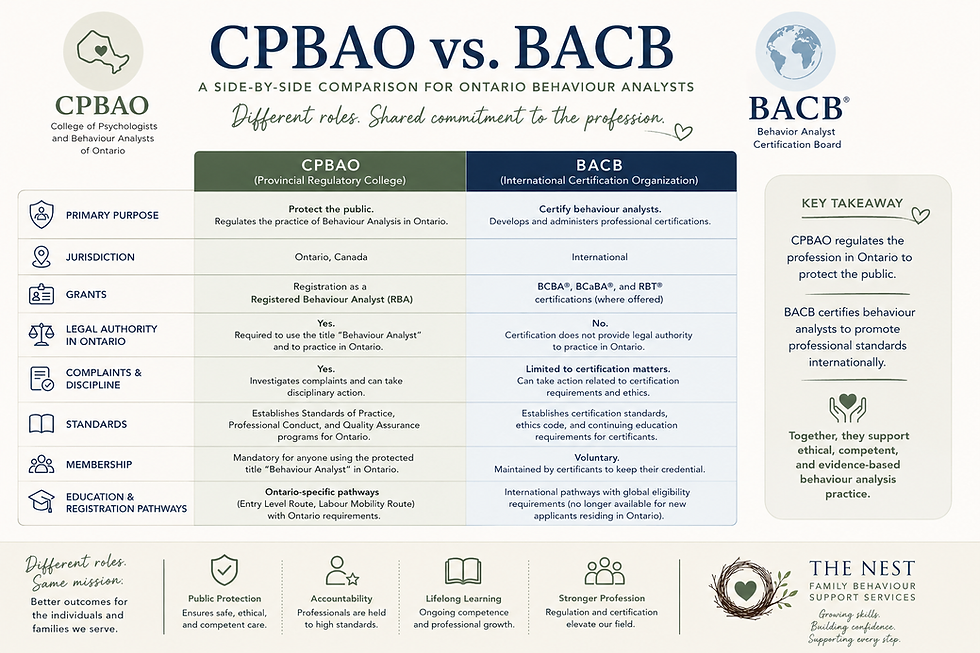
ABA therapy is delivered by trained front line therapists, Board Certified Behaviour Analysts (BCBAs) - Registered Behaviour Analysts (RBA’s) or other trained professionals. The more specialized the provider, the higher the cost tends to be. However, working with a qualified BCBA/RBA ensures your child’s program is expertly designed and supervised.
4. Insurance and Funding Options
Some insurance plans cover costs of ABA therapy partially, or by specific coverage based on provider designation. Additionally, government programs (like the Ontario Autism Program) and local agencies may offer funding or subsidies. It’s worth exploring these options to reduce out-of-pocket expenses.
5. Additional Services
Sometimes, therapy includes parent training, social skills groups, or school consultations. These extras can add to the overall cost but provide valuable support for your family.
Breaking Down the Typical Costs You Might Encounter
Let’s look at some ballpark figures to give you a clearer picture. Keep in mind these are estimates and can vary.
| Service Component | Estimated Cost (CAD) |
|----------------------------|-------------------------------|
| Initial Assessment | $1,000 - $2,500 |
| Hourly Therapy Sessions | $50 - $150 per hour |
| BCBA Supervision | $100 - $200 per hour |
| Parent Training Sessions | $75 - $125 per hour |
| Social Skills Groups | $30 - $60 per session |
For example, if your child receives 20 hours of therapy weekly at $100 per hour, that’s $2,000 per week. Over a month, it adds up to about $8,000. This might sound like a lot, but remember, many families access funding or insurance to help cover these costs.

How to Navigate the Cost of ABA Therapy
Facing these numbers can feel daunting, but there are ways to make it more manageable.
Explore Funding and Insurance
Start by checking your insurance policy for ABA coverage. Some plans include it as part of mental health or developmental services. Also, look into government programs in York Region that support families with children needing behavioural therapy.
Ask About Sliding Scale Fees
Many providers understand the financial strain and offer sliding scale fees based on your income. Don’t hesitate to ask if this is available.
Prioritize and Plan
Work with your therapist to determine the most effective number of hours for your child. Sometimes starting with fewer hours and increasing as needed can help balance progress and cost.
Consider Group Sessions
Group therapy or social skills groups can be less expensive and still provide valuable learning opportunities.
Keep Track of Expenses
Maintain a detailed record of all therapy-related costs. This can help when applying for funding or tax credits.
If you want to learn more about the cost of ABA therapy, this resource offers helpful insights tailored to families in York Region.
Supporting Your Family Through the Journey
Remember, ABA therapy is more than just a service - it’s a partnership. You’re not alone in this. Many families have walked this path and found ways to make therapy work within their budgets.
Here are some gentle reminders:
Take it one step at a time: You don’t have to figure everything out at once.
Ask questions: Your therapy team is there to support you.
Celebrate progress: Every small step forward is a victory.
Seek community support: Connecting with other families can provide encouragement and practical tips.
Your child’s growth and happiness are worth every effort. With the right information and support, you can navigate the financial side of ABA therapy with confidence.
Planning for the Future: Making ABA Therapy Work for Your Family
As you move forward, keep in mind that the cost of ABA therapy is an investment in your child’s future. It’s about building skills that will help them thrive in school, social settings, and everyday life.
Here are some final tips to help you plan:
Set realistic goals: Work with your therapist to create achievable milestones.
Review your budget regularly: Adjust as your child’s needs change.
Stay informed: Policies and funding options can evolve, so keep up to date.
Advocate for your child: Don’t hesitate to ask for what your family needs.
By breaking down the costs and understanding your options, you’re taking an important step toward supporting your child’s development with compassion and care. You’ve got this.


Comments