
Understanding the ABA Therapy Cost Canada: What You Need to Know

When you’re exploring options to support a child with developmental or behavioural needs, ABA therapy often comes up as a highly recommended approach. But one question that naturally follows is: How much does ABA therapy cost in Canada? It’s a valid concern, especially when you want to make the best decisions for your family without feeling overwhelmed by expenses.
I want to walk you through the key points about ABA therapy costs in Canada, especially for families in York Region. Together, we’ll break down what influences the price, what you can expect, and how to navigate the financial side with confidence and clarity.
What Is ABA Therapy and Why Is It Important?
Before diving into costs, let’s quickly revisit what ABA therapy is. Applied Behaviour Analysis (ABA) is a therapy based on understanding behaviour and learning. It’s widely used to help children with autism and other developmental challenges develop essential skills and reduce behaviours that might interfere with learning or social interaction.
ABA therapy is personalized. That means the therapy plan is tailored to your child’s unique needs, strengths, and goals. This personalized approach is one reason why ABA therapy can be so effective, but it also means the cost can vary quite a bit.
ABA therapy often involves:
One-on-one sessions with a trained therapist
Regular assessments and progress tracking
Parent training and support
Collaboration with schools or other professionals
Knowing this helps you understand why the cost isn’t a simple flat fee but depends on many factors.
ABA Therapy Cost Canada: What Affects the Price?
When you’re looking at the ABA therapy cost Canada-wide, you’ll notice a range of prices. Here are some of the main factors that influence the cost:
1. Intensity and Duration of Therapy
The number of hours per week your child receives therapy is a big factor. Some children might need 10 hours a week, while others might benefit from 20 or more. More hours mean higher costs, but also potentially faster progress.
2. Type of Provider
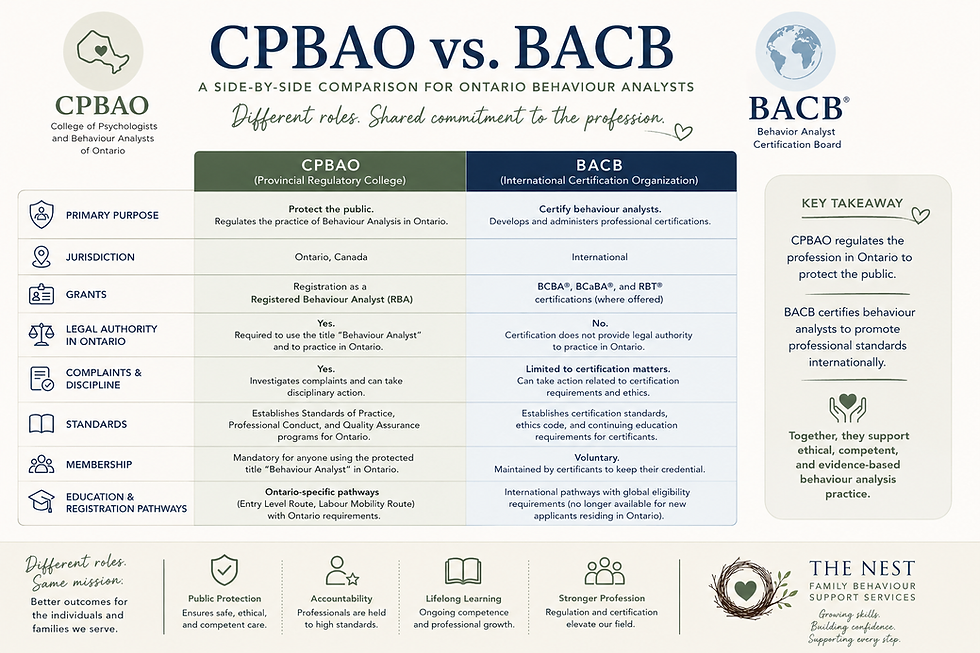
ABA therapy can be delivered by Registered Behaviour Technicians (RBTs), Board Certified Behaviour Analysts (BCBAs), or other qualified professionals. BCBAs typically charge more because of their advanced training and expertise.
3. Location
Costs can vary depending on where you live. In York Region, for example, prices might be different than in larger cities like Toronto or more rural areas. Travel time and availability of qualified therapists also play a role.
4. Assessment and Reporting
Initial assessments and ongoing progress reports are essential parts of ABA therapy. These require time and expertise, which adds to the overall cost.
5. Additional Services
Some programs include parent training, social skills groups, or school consultations. These extras can increase the price but also add great value.
6. Funding and Insurance
Some families may have access to government funding, private insurance, or other support programs that can help offset costs. It’s worth exploring these options early on.

How Much Does ABA Therapy Typically Cost in York Region?
In York Region, the cost of ABA therapy can vary widely depending on the factors above. On average, you might expect:
Initial assessment: $500 to $1,500
Hourly therapy sessions: $50 to $150 per hour
Parent training sessions: $75 to $125 per hour
For example, if your child receives 15 hours of therapy per week at $100 per hour, that’s about $1,500 weekly. Over a month, this adds up to roughly $6,000. It’s a significant investment, but many families find the benefits well worth it.
Remember, these are ballpark figures. Your actual costs may be higher or lower depending on your child’s needs and the provider you choose.
Navigating Funding and Support Options
The good news is, you don’t have to bear the full cost alone. There are several ways to get financial help:
Government Programs
Ontario Autism Program (OAP): This program offers funding for children with autism under 18. It can cover ABA therapy and other supports.
Special Services at Home (SSAH): Provides funding for families to hire support workers, which can sometimes include behavioural support.
Assistive Devices Program (ADP): May cover some equipment or tools recommended by therapists.
Private Insurance
Some extended health benefits plans cover ABA therapy partially or fully. It’s worth checking your policy or speaking with your HR department.
Community and Non-Profit Support
Local organizations sometimes offer grants or sliding scale fees to help families access therapy.
Tips for Managing Costs
Ask providers if they offer payment plans.
Look for group therapy options, which can be more affordable.
Keep detailed records of therapy hours and expenses for insurance claims.
What to Look for When Choosing an ABA Therapy Provider
Choosing the right provider is just as important as understanding the cost. Here are some tips to help you make a confident choice:
Check credentials: Ensure therapists are certified and experienced.
Ask about individualized plans: Therapy should be tailored to your child.
Look for clear communication: You want a provider who keeps you informed and involved.
Consider location and scheduling: Convenience matters for consistency.
Read reviews or ask for references: Hearing from other families can be reassuring.
Remember, the goal is to find a provider who offers compassionate, evidence-based support that fits your family’s needs and budget.

Moving Forward with Confidence
Understanding the cost of ABA therapy in Canada can feel overwhelming at first. But with the right information and support, you can make informed decisions that benefit your child and family.
If you’re in York Region, know that there are compassionate, skilled professionals ready to help your child thrive. Take your time, ask questions, and explore all your options. Your child’s progress and happiness are worth every step you take.
Remember, you’re not alone on this journey. Support is available, and with patience and persistence, you’ll find the right path forward.


Comments